


What types of credentials are commonly recognized in Agile Scrum training programs, and how do they impact professional growth?
Posted by SCRUMstudy® on August 07, 2024
Categories: Agile Certification Scrum Scrum Guide Training
Scrum training credentials serve as crucial milestones in a professional's journey toward mastering Agile methodologies. These credentials validate one's comprehension and application of Scrum principles, equipping individuals with the skills needed to navigate complex projects effectively. From entry-level certifications like Scrum Fundamentals Certified (SFC™) to advanced designations such as Scrum Master Certified (SMC™) and Scrum Product Owner Certified (SPOC™), each credential signifies a different level of expertise and responsibility within Agile teams. Beyond theoretical knowledge, these certifications emphasize practical implementation, fostering agile mindsets and collaborative work environments essential for achieving organizational agility and project success.
When an organisation is trying to adopt Scrum, this is the biggest question that comes in their mind. Since traditionally the Scrum suggests that the Scrum Teams should ideally be 6-8 Member team, how will this work for humongous projects which have huge team some time in 100’s. This leads to a misconception that Scrum is for small organisations and can only be used for small projects.
But Scrum is a very adaptable process and your larger team can be split into multiple small teams with an average size of 6-8 team members and convene scrum of scrums process to communicate between the scrum teams, enabling larger organisations to adopt scrum and reap the benefits of scrum. Even if teams are geographically divided, you can conduct the scrum meetings with the help of internet technology.
And the scrum of scrum meetings will help in communicating with the scrum teams and update progress, discuss challenges and coordinate the activities. These scrums of scrum meetings are comparable to the daily stand up meetings.
Whereas the daily stand up meeting, facilitated by Scrum Master is a short daily meeting time-boxed to 15 minutes, the scrum of scrum meetings are usually not time-boxed to facilitate more sharing of information between the teams.
The three daily questions in the daily stand-up meeting are:
1. What did I complete yesterday?
2. What will I do today?
3. What impediments or obstacles (if any) am I currently facing?
However Scrum of scrum meetings, facilitated by Chief Scrum Master, is not time boxed to fifteen minutes, also unlike daily stand up meetings there is no frequency. And in the scrum of scrum meeting here there are four questions to be answered by the designated team member representing each team:
1. What has my team been working on since the last meeting?
2. What will my team do until the next meeting?
3. What were our teams counting on our team to finish that remains undone?
4. What is our team planning on doing that might affect other teams?
This allows each team to clearly understand the work status of all other teams. The scrum of scrum meetings could be set at predefined intervals or could be ad-hoc when required. This way larger organisation with large project teams can quickly embrace scrum effectively.
(Abstracts from – Source: A Guide to the Scrum Body of Knowledge – SBOK Guide)
What key components should an Agile Scrum training program include to ensure it effectively prepares participants for practical application of Scrum principles and certification?
Posted by SCRUMstudy® on August 02, 2024
Categories: Agile Scrum Scrum Principles
The Agile Scrum Training Program is an intensive course designed to equip participants with a comprehensive understanding of the Agile Scrum framework, a popular methodology for managing and completing complex projects. The training covers the core principles and practices of Agile, including iterative development, collaboration, and flexibility in response to changing requirements. Participants learn about key Scrum roles (Product Owner, Scrum Master, and Development Team), artifacts (Product Backlog, Sprint Backlog, and Increment), and ceremonies (Sprint Planning, Daily Stand-up, Sprint Review, and Sprint Retrospective).
Agile Scrum is a project management framework emphasizing flexibility and iterative development. It divides work into short iterations called Sprints, where cross-functional teams collaborate to deliver potentially shippable increments of the product. Daily standup meetings, sprint planning, reviews, and retrospectives are key practices ensuring continuous improvement and customer satisfaction.
Scrum principles form the foundation of the Scrum framework, guiding teams in delivering high-quality products through iterative and incremental practices.
The principles of Scrum can be applied to any type of project or organization, and they must be adhered to in order to ensure appropriate application of Scrum.
The aspects and processes of Scrum can be modified to meet the requirements of the project, or the organization using it, but Scrum principles are non-negotiable and must be applied as described in the framework presented in A Guide to the Scrum Body of Knowledge (SBOK™ Guide). Keeping the principles intact and using them appropriately instills confidence to the user of the Scrum framework with regard to attaining the objectives of the project.
- Empirical Process Control—This principle emphasizes the core philosophy of Scrum based on the three main ideas of transparency, inspection, and adaptation.
- Self-organization—This principle focuses on today’s workers, who deliver significantly greater value when self-organized and this results in better team buy-in and shared ownership; and an innovative and creative environment which is more conducive for growth.
- Collaboration—This principle focuses on the three core dimensions related to collaborative work: awareness, articulation, and appropriation. It also advocates project management as a shared value-creation process with teams working and interacting together to deliver the greatest value.
- Value-based Prioritization—This principle highlights the focus of Scrum to deliver maximum business value, from early in the project and continuing throughout.
- Time-boxing—This principle describes how time is considered a limiting constraint in Scrum, and used to help effectively manage project planning and execution. Time-boxed elements in Scrum include Sprints, Daily Standup Meetings, Sprint Planning Meetings, and Sprint Review Meetings.
- Iterative Development—This principle defines iterative development and emphasizes how to better manage changes and build products that satisfy customer needs. It also delineates the Product Owner’s and organization’s responsibilities related to iterative development.
Scrum principles are the core guidelines for applying the Scrum framework and should mandatorily be used in all Scrum projects. The Scrum aspects and processes, however, can be modified to meet the requirements of the project or the organization.
What key components should an Agile Scrum training program include to ensure it effectively prepares participants for practical application of Scrum principles and certification?
Posted by SCRUMstudy® on August 02, 2024
Categories: Agile Scrum Scrum Principles
The Agile Scrum Training Program is an intensive course designed to equip participants with a comprehensive understanding of the Agile Scrum framework, a popular methodology for managing and completing complex projects. The training covers the core principles and practices of Agile, including iterative development, collaboration, and flexibility in response to changing requirements. Participants learn about key Scrum roles (Product Owner, Scrum Master, and Development Team), artifacts (Product Backlog, Sprint Backlog, and Increment), and ceremonies (Sprint Planning, Daily Stand-up, Sprint Review, and Sprint Retrospective).
Agile Scrum is a project management framework emphasizing flexibility and iterative development. It divides work into short iterations called Sprints, where cross-functional teams collaborate to deliver potentially shippable increments of the product. Daily standup meetings, sprint planning, reviews, and retrospectives are key practices ensuring continuous improvement and customer satisfaction.
Scrum principles form the foundation of the Scrum framework, guiding teams in delivering high-quality products through iterative and incremental practices.
The principles of Scrum can be applied to any type of project or organization, and they must be adhered to in order to ensure appropriate application of Scrum.
The aspects and processes of Scrum can be modified to meet the requirements of the project, or the organization using it, but Scrum principles are non-negotiable and must be applied as described in the framework presented in A Guide to the Scrum Body of Knowledge (SBOK™ Guide). Keeping the principles intact and using them appropriately instills confidence to the user of the Scrum framework with regard to attaining the objectives of the project.
- Empirical Process Control—This principle emphasizes the core philosophy of Scrum based on the three main ideas of transparency, inspection, and adaptation.
- Self-organization—This principle focuses on today’s workers, who deliver significantly greater value when self-organized and this results in better team buy-in and shared ownership; and an innovative and creative environment which is more conducive for growth.
- Collaboration—This principle focuses on the three core dimensions related to collaborative work: awareness, articulation, and appropriation. It also advocates project management as a shared value-creation process with teams working and interacting together to deliver the greatest value.
- Value-based Prioritization—This principle highlights the focus of Scrum to deliver maximum business value, from early in the project and continuing throughout.
- Time-boxing—This principle describes how time is considered a limiting constraint in Scrum, and used to help effectively manage project planning and execution. Time-boxed elements in Scrum include Sprints, Daily Standup Meetings, Sprint Planning Meetings, and Sprint Review Meetings.
- Iterative Development—This principle defines iterative development and emphasizes how to better manage changes and build products that satisfy customer needs. It also delineates the Product Owner’s and organization’s responsibilities related to iterative development.
Scrum principles are the core guidelines for applying the Scrum framework and should mandatorily be used in all Scrum projects. The Scrum aspects and processes, however, can be modified to meet the requirements of the project or the organization.
What types of training exercises are included in Agile Scrum training programs?
Posted by SCRUMstudy® on July 23, 2024
Categories: Agile Certification Scrum Training

Agile Scrum training exercises are vital for teams aiming to adopt Agile methodologies effectively. These exercises typically focus on improving collaboration, communication, and teamwork within the Scrum framework. They often include activities like daily stand-ups, sprint planning sessions, retrospectives, and backlog grooming. These exercises not only familiarize teams with Scrum rituals but also emphasize iterative development, adaptive planning, and continuous improvement. By engaging in these exercises, teams gain practical experience in applying Agile principles, enhancing their ability to deliver valuable products efficiently and respond to change effectively.
Scrum training exercises offered by SCRUMstudy are designed to equip professionals with essential skills in Agile project management. These exercises focus on practical applications of Scrum principles through interactive simulations, case studies, and role-playing scenarios. Participants engage in activities like Sprint planning, Daily Stand-ups, and Retrospective meetings to simulate real-world Agile environments. Through these exercises, participants learn to collaborate effectively, prioritize tasks, and deliver value iteratively. SCRUMstudy's training ensures that individuals gain hands-on experience in using Scrum frameworks to enhance team productivity, project transparency, and overall project success.
The Scrum training involves a structured approach to gaining proficiency in Scrum methodologies and practices. Candidates typically start by choosing a relevant certification, such as Scrum Master, Product Owner, or Scrum Developer, offered by SCRUMstudy. The process usually begins with preparatory coursework or self-study using the SBOK Guide, which provides comprehensive coverage of Scrum principles, roles, events, and artifacts. Following the preparatory phase, candidates must pass an exam that assesses their understanding and practical application of Scrum concepts. The certification exams often include multiple-choice questions and may require the demonstration of hands-on experience through case studies or practical projects. Successfully obtaining a certification signifies a validated level of expertise and a commitment to the Agile philosophy, enhancing one's ability to contribute effectively to Scrum teams and projects.
SCRUMstudy offers comprehensive Scrum Certification Classroom Training designed to provide an in-depth understanding of Scrum principles and practices. Led by experienced instructors, these interactive sessions ensure participants gain practical knowledge and hands-on experience. The training covers essential Scrum concepts, including roles, events, and artifacts, and prepares attendees for certification exams. By participating, individuals and teams can enhance their Agile skills, improve project delivery, and contribute more effectively to their organizations.
What are the core components of an effective Agile Scrum training program?
Posted by SCRUMstudy® on July 22, 2024
Categories: Agile Scrum Scrum Principles
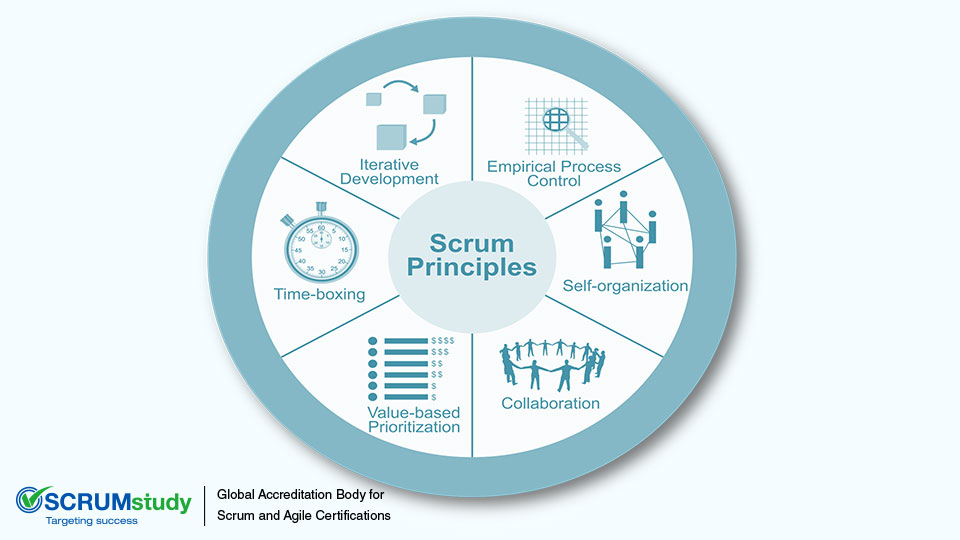
The Agile Scrum Training Program is an intensive course designed to equip participants with a comprehensive understanding of the Agile Scrum framework, a popular methodology for managing and completing complex projects. The training covers the core principles and practices of Agile, including iterative development, collaboration, and flexibility in response to changing requirements. Participants learn about key Scrum roles (Product Owner, Scrum Master, and Development Team), artifacts (Product Backlog, Sprint Backlog, and Increment), and ceremonies (Sprint Planning, Daily Stand-up, Sprint Review, and Sprint Retrospective).
Agile Scrum is a project management framework emphasizing flexibility and iterative development. It divides work into short iterations called Sprints, where cross-functional teams collaborate to deliver potentially shippable increments of the product. Daily standup meetings, sprint planning, reviews, and retrospectives are key practices ensuring continuous improvement and customer satisfaction.
Scrum principles form the foundation of the Scrum framework, guiding teams in delivering high-quality products through iterative and incremental practices.
The principles of Scrum can be applied to any type of project or organization, and they must be adhered to in order to ensure appropriate application of Scrum.
The aspects and processes of Scrum can be modified to meet the requirements of the project, or the organization using it, but Scrum principles are non-negotiable and must be applied as described in the framework presented in A Guide to the Scrum Body of Knowledge (SBOK™ Guide). Keeping the principles intact and using them appropriately instills confidence to the user of the Scrum framework with regard to attaining the objectives of the project.
- Empirical Process Control—This principle emphasizes the core philosophy of Scrum based on the three main ideas of transparency, inspection, and adaptation.
- Self-organization—This principle focuses on today’s workers, who deliver significantly greater value when self-organized and this results in better team buy-in and shared ownership; and an innovative and creative environment which is more conducive for growth.
- Collaboration—This principle focuses on the three core dimensions related to collaborative work: awareness, articulation, and appropriation. It also advocates project management as a shared value-creation process with teams working and interacting together to deliver the greatest value.
- Value-based Prioritization—This principle highlights the focus of Scrum to deliver maximum business value, from early in the project and continuing throughout.
- Time-boxing—This principle describes how time is considered a limiting constraint in Scrum, and used to help effectively manage project planning and execution. Time-boxed elements in Scrum include Sprints, Daily Standup Meetings, Sprint Planning Meetings, and Sprint Review Meetings.
- Iterative Development—This principle defines iterative development and emphasizes how to better manage changes and build products that satisfy customer needs. It also delineates the Product Owner’s and organization’s responsibilities related to iterative development.
Scrum principles are the core guidelines for applying the Scrum framework and should mandatorily be used in all Scrum projects. The Scrum aspects and processes, however, can be modified to meet the requirements of the project or the organization.
Agile Scrum training program
Posted by SCRUMstudy® on July 02, 2024
Categories: Agile Scrum Scrum Principles
The Agile Scrum Training Program is an intensive course designed to equip participants with a comprehensive understanding of the Agile Scrum framework, a popular methodology for managing and completing complex projects. The training covers the core principles and practices of Agile, including iterative development, collaboration, and flexibility in response to changing requirements. Participants learn about key Scrum roles (Product Owner, Scrum Master, and Development Team), artifacts (Product Backlog, Sprint Backlog, and Increment), and ceremonies (Sprint Planning, Daily Stand-up, Sprint Review, and Sprint Retrospective).
Agile Scrum is a project management framework emphasizing flexibility and iterative development. It divides work into short iterations called Sprints, where cross-functional teams collaborate to deliver potentially shippable increments of the product. Daily standup meetings, sprint planning, reviews, and retrospectives are key practices ensuring continuous improvement and customer satisfaction.
Scrum principles form the foundation of the Scrum framework, guiding teams in delivering high-quality products through iterative and incremental practices.
The principles of Scrum can be applied to any type of project or organization, and they must be adhered to in order to ensure appropriate application of Scrum.
The aspects and processes of Scrum can be modified to meet the requirements of the project, or the organization using it, but Scrum principles are non-negotiable and must be applied as described in the framework presented in A Guide to the Scrum Body of Knowledge (SBOK™ Guide). Keeping the principles intact and using them appropriately instills confidence to the user of the Scrum framework with regard to attaining the objectives of the project.
- Empirical Process Control—This principle emphasizes the core philosophy of Scrum based on the three main ideas of transparency, inspection, and adaptation.
- Self-organization—This principle focuses on today’s workers, who deliver significantly greater value when self-organized and this results in better team buy-in and shared ownership; and an innovative and creative environment which is more conducive for growth.
- Collaboration—This principle focuses on the three core dimensions related to collaborative work: awareness, articulation, and appropriation. It also advocates project management as a shared value-creation process with teams working and interacting together to deliver the greatest value.
- Value-based Prioritization—This principle highlights the focus of Scrum to deliver maximum business value, from early in the project and continuing throughout.
- Time-boxing—This principle describes how time is considered a limiting constraint in Scrum, and used to help effectively manage project planning and execution. Time-boxed elements in Scrum include Sprints, Daily Standup Meetings, Sprint Planning Meetings, and Sprint Review Meetings.
- Iterative Development—This principle defines iterative development and emphasizes how to better manage changes and build products that satisfy customer needs. It also delineates the Product Owner’s and organization’s responsibilities related to iterative development.
Scrum principles are the core guidelines for applying the Scrum framework and should mandatorily be used in all Scrum projects. The Scrum aspects and processes, however, can be modified to meet the requirements of the project or the organization.
Agile Scrum training programs
Posted by SCRUMstudy® on April 17, 2024
Categories: Agile SBOK® Guide Scrum Scrum Principles Scrum Processes

The Agile and Scrum Training Program offers comprehensive education in Scrum principles and practices. These programs are designed to equip professionals with the skills and knowledge needed to effectively lead Scrum teams. Participants learn through practical exercises, real-world case studies, and interactive sessions, ensuring a deep understanding of Scrum roles, events, and artifacts. The SBOK guide serves as a foundational resource, providing structured methodologies and best practices that are essential for achieving Scrum proficiency and driving successful project outcomes.
Scrum Master Certified advice offers valuable insights and guidance to individuals navigating the complexities of agile project management. With their in-depth knowledge of Scrum principles and practices, SMCs provide practical recommendations on team collaboration, product development, and stakeholder engagement.
There is a saying in the Scrum community: If Scrum is not done in a Scrum way then it is not Scrum”
As a framework Scrum is very easy to understand but very complex to implement practically. The beauty of Scrum is its Simple nature. Try not to complicate it by adding anything. A beginner requires following the process as it is. Getting a good coach and spending some days to really understand it makes the learning easier than ever. Also using something simple to keep track on the backlogs and understand the basics is absolutely necessary. Experiment with different estimation techniques, pair programming, test approaches etc and find out what is best for the team.
Some of the key points to remember while implementing Scrum for the first time:
- Get Scrum Training for your team
- Get extra training for your Scrum Master and Product Owner
- Implement the processes and roles exactly as described in the Scrum Guide.
- Learn to do it the right way before you change.
- Early Focus on technical excellence – TDD, BDD, CI
- Limit number of items that are being worked on at once,
- Team should and must work together.
- Team’s goal is to complete the Job and not show that everyone is busy all the time.
- Initial focus on the “how you get the work done”, what process to follow and quality of the product, as opposed to how much you get done.
- Clearly “done” and “ready” for items coming off and going onto the task-board.
- Don’t skip on any ceremonies, especially the retrospective, that is the engine of growth.
- Do not use Sprint which is longer than a 2 week. Prefer 1 week if possible. Shorter Sprints have more opportunities for structured improvement.
- Do not hide dysfunctions.
- Do consider getting outside help, perhaps a coach.


